

SEO analytics, explained without shortcuts
Divaneskop brings structured, instructor-led SEO education to learners across Canada — from technical audits to search data interpretation, taught by specialists who work in the field.
Where Divaneskop came from
SEO education in Canada was fragmented. Workshops covered tactics without context, and online courses moved too fast through concepts that actually required time to absorb. Divaneskop started in 2020 to close that gap.
The format was deliberately chosen: masterclass-style sessions led by practitioners, not presenters. Each instructor brings real client history — campaigns they ran, problems they diagnosed, decisions they made under pressure.
Geography was a real constraint the platform addressed from the start. A content manager in Fredericton and a marketing lead in Kelowna should have access to the same quality of instruction. Divaneskop operates entirely online, and every programme is built for asynchronous participation without sacrificing depth.
The curriculum covers organic search from the ground up — crawl behaviour, structured data, keyword mapping, log file analysis, and how to communicate findings to stakeholders who don't read data professionally.


How the curriculum is structured
Each programme is built around a specific layer of SEO work — so learners develop depth in one area before moving to the next, rather than receiving a broad overview of everything at once.
Technical SEO auditing
Hands-on instruction covering crawl configuration, indexation issues, Core Web Vitals diagnostics, and structured data validation using real-site datasets.
Search data interpretation
Reading GSC reports, segmenting traffic by query intent, identifying seasonal patterns, and distinguishing signal from noise in position tracking data.
Keyword research methodology
Mapping search demand to content architecture, working with tools like Ahrefs and Semrush, and building topical clusters that hold up under algorithm shifts.
Log file and crawl analysis
Using Screaming Frog, Sitebulb, and raw server logs to understand how Googlebot actually interacts with a site versus how you expect it to behave.
Reporting for non-technical stakeholders
Structuring findings into clear arguments, choosing the right metrics for each audience, and framing SEO recommendations in terms of business decisions.
E-E-A-T and content quality signals
What search quality raters actually assess, how demonstrable expertise affects rankings in practice, and where content architecture decisions intersect with authority signals.
The instructors behind the programmes
Divaneskop works with practitioners who currently take on client work. Each instructor is selected based on documented track record in their specific area — not general SEO experience, but verifiable depth in the topic they teach.

Alistair Fenwick
Technical SEO & Crawl AnalysisTwelve years diagnosing indexation problems and crawl inefficiencies across e-commerce and publishing. Alistair has run audits for sites with over 4 million indexed pages and teaches the technical modules at Divaneskop with a focus on evidence-based diagnosis over checklists.
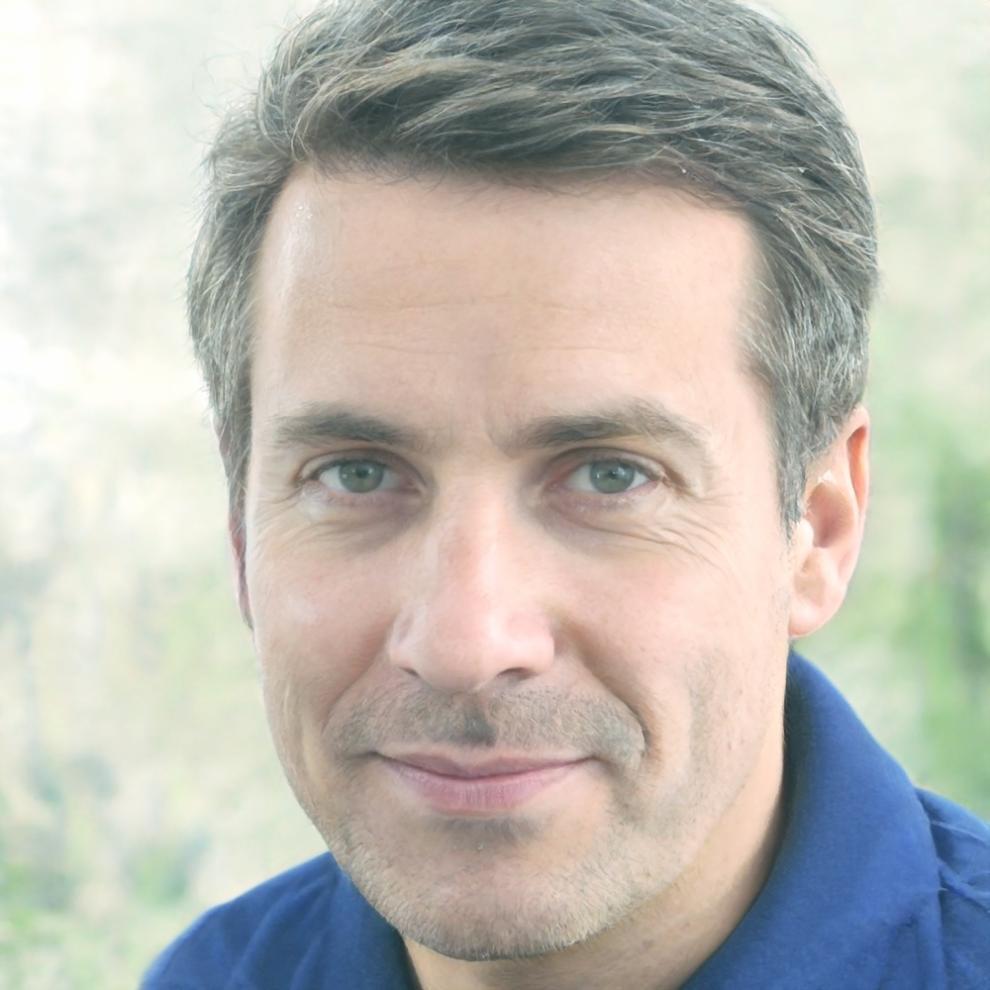
Cornel Draghici
Search Data & AnalyticsCornel spent eight years in-house at a national retailer before moving to independent consulting. His modules on GSC interpretation, log analysis, and reporting grew out of real internal processes he built and refined over years of weekly stakeholder presentations.
Brigitte Ouellet
Keyword Strategy & Content ArchitectureWorks primarily with Canadian media organisations on organic growth. Brigitte teaches the keyword research and topical authority programmes and is known for the precision of her cluster mapping frameworks, which participants regularly adapt directly into their own workflows.